 whowins
The Challenge Clock on whowins, Explained
Once a board has its first ten seats taken, any seat on it can carry a clock. This post explains how a challenge starts, what can and cannot happen while it runs, and what the holder gets when it reaches zero.
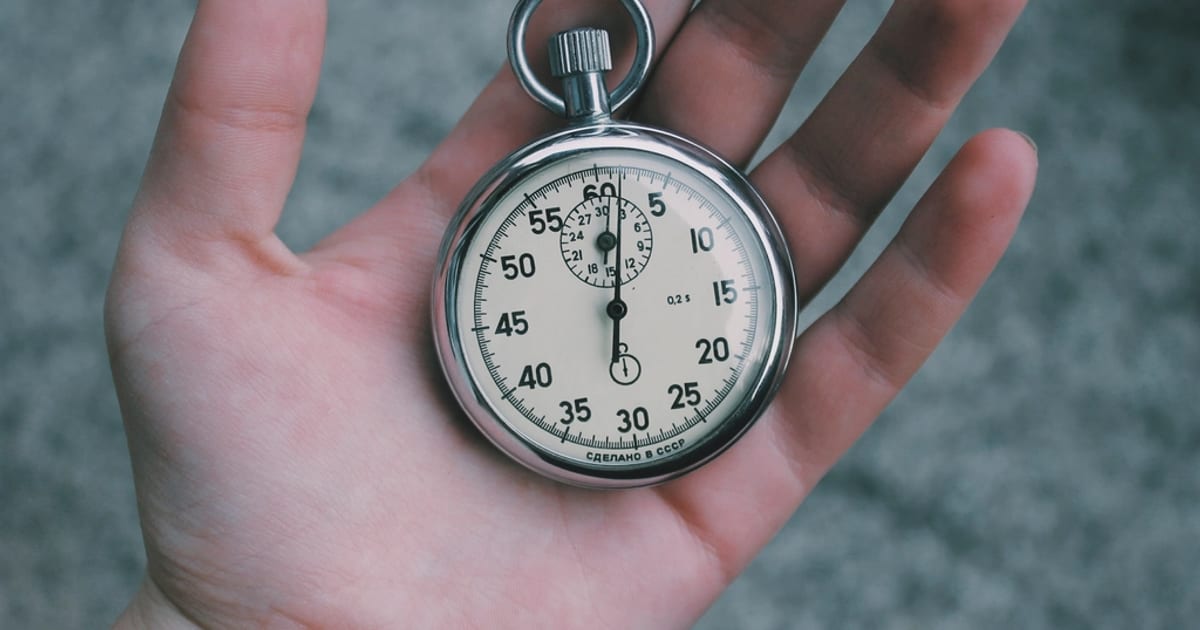
The first stage of whowins is simple: pay more than the last payment and the seat is yours. The second stage adds a clock. A seat on a clock behaves the same way while the clock runs, and then does something a plain seat never does: it locks. This post explains when clocks appear, how they run and what the holder gets at the end, using the same terms as the rules page.
When a board unlocks challenges
A board opens up to challenges once its first ten seats are taken. Until then it is a plain board: seats change hands on payment and nothing else happens. The challenge page lists boards with clocks running and boards that are close to unlocking, so you can see where the second stage is live.
The reason for the unlock is practical. A clock on a board with three listings is a clock nobody is watching. On a board with ten held seats there is enough traffic and enough rivalry for a clock to mean something.
Opening a challenge
Going for a seat on an unlocked board, you can open a challenge on it. The clock starts, everybody looking at the board can see it, and it is part of taking the seat rather than a second charge. You pay what the seat costs, exactly as you would without a clock, and the clock is the thing you add.
One clock per seat. If a seat already has one running, taking that seat puts you on the clock that is there rather than starting a new one.
While the clock runs
The seat behaves like any other seat: whoever pays more than the last payment takes it, at once, as many times as that happens. Nothing pauses the clock and nobody can call it early. The price only goes up, because every take has to exceed the last one.
What you get while you are in the seat with a clock on it:
- Your seat is pinned to the top of the board with the clock running on the row
- A card on the home page and on the challenge page, showing both sides and the amount on the table
- An IN A CHALLENGE badge on your row and on every line you put in the activity feed
These are visibility, not advantage. They do not change what it costs to take the seat from you.
The last ten minutes
A take in the last ten minutes puts the clock back to the top of that window. If someone takes the seat with three minutes left, the clock shows ten minutes again. That means waiting for the final second buys you nothing; the only way to end a challenge in your favour is to be the holder when nobody else is willing to pay more.
This rule is the reason challenges tend to settle on price rather than on timing. The clock extends until the last payment stands.
At zero: the lock
When the clock reaches zero, whoever is in the seat keeps it for another two days. Nobody can take it in that window, at any amount, and nobody can put it on a clock. A clock at zero is settled straight away, so nothing can be taken after the fact.
If nobody ever came for the seat, the clock still runs out and the person sitting there still gets the lock. Opening a challenge on a seat nobody contests is a way of buying two quiet days.
After the lock
When the lock ends, the seat goes back to the first stage and carries on from the amount it closed at. The last payment is whatever the final take was, so the next person to want the seat pays more than that. The holder keeps a WON A CHALLENGE badge on the listing with the date and the closing amount, which stays even if the seat later changes hands.
What a challenge is not
It is not a contest decided by anyone’s opinion, and it is not a race of clicks. The only thing that moves the seat during a challenge is a larger payment, exactly as outside one. The clock adds visibility and a lock; it does not add a judge.
Deciding whether to open a clock
Opening a challenge adds nothing to what the seat costs, but it invites attention, and attention on a contested board means takes. Before opening one, ask whether two locked days in the row are worth what the seat is likely to close at, using the history on the challenge page for similar boards as the guide. If the answer is yes, open the clock and let the price settle; if not, hold the seat without a clock and let it sit.
A clock on a quiet board is the cheapest lock there is, because nobody comes for the seat and the holder gets the two days anyway. A clock on a contested top row is the most expensive, because every take extends the last ten minutes until the final payment stands.
Reading the challenge page
The challenge page shows three things: boards with clocks running, boards close to unlocking and a history of settled challenges with their closing amounts. For a founder deciding whether to open a challenge, the history is the useful part: it shows what seats on similar boards have closed at, which is the honest way to guess what holding one might cost.
If you have not taken a seat yet, start with our walkthrough of how a seat changes hands. The clock only makes sense once the first stage is clear.
Questions
When can a seat carry a clock?
Once the board's first ten seats are taken. A board that is still filling up carries no clocks yet.
Is the challenge a second charge?
No. Opening a challenge is part of taking the seat, not a separate payment.
Can the seat change hands while the clock runs?
Yes, any number of times. Nothing pauses the clock and nobody can call it early.
What happens in the last ten minutes?
A take in the last ten minutes puts the clock back to the top of that window, so waiting for the final second buys nothing.
What does the holder get at zero?
Whoever is in the seat when the clock reaches zero keeps it for another two days. Nobody can take it in that window at any amount.